
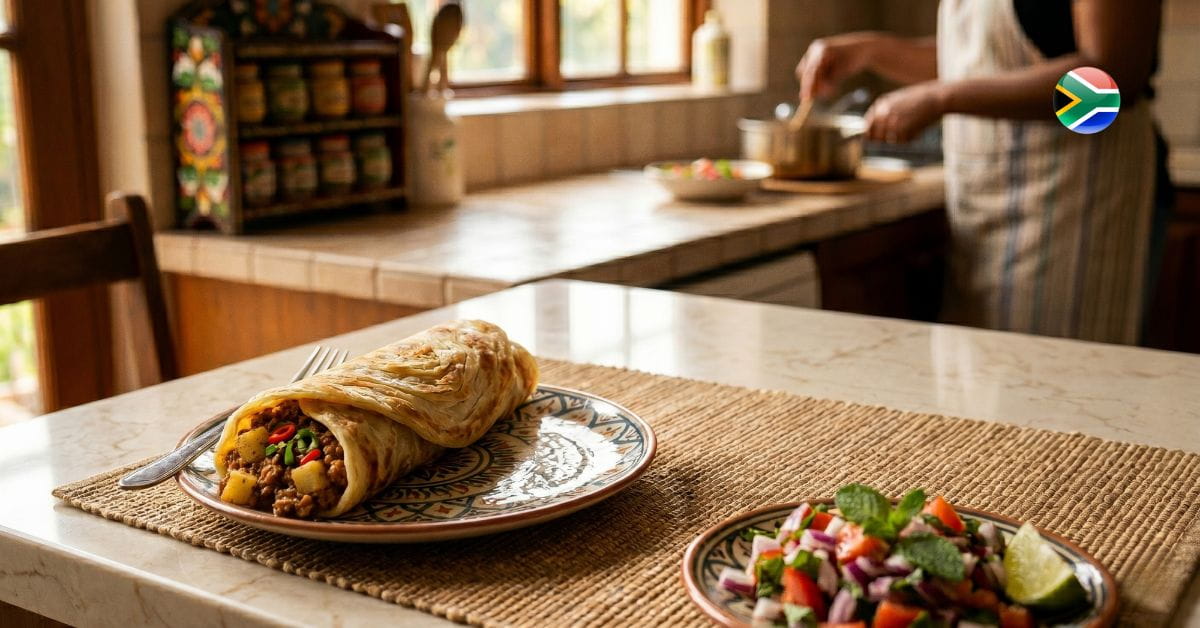
Imagine the scent of toasted coriander and cumin wafting through your kitchen on a chilly evening abroad, instantly transporting you back to the vibrant, colorful streets of the Bo-Kaap. For South African expats living overseas, certain meals offer far more than just sustenance; they provide a profound, comforting connection to home. Cooking familiar dishes bridges the geographic gap between your current kitchen and the dining tables of your childhood.
Below is a meticulous breakdown of a classic Cape Malay staple meal. Whether you want to impress new friends or simply cure a bout of homesickness, making this dish brings a piece of South Africa directly to your plate.
Mastering the aromatic Cape Malay mince curry
Cape Malay cuisine represents a rich tapestry woven from Southeast Asian, Dutch, and indigenous South African influences. The cuisine is defined by its masterful use of aromatic spices, creating complex flavour profiles that are rarely excessively hot but always deeply fragrant.
Developing a rich, deeply flavoured sauce requires patience and the correct sequencing of ingredients. Drawing inspiration from highly respected, traditional methods.
Essential ingredients for the curry
To prepare this mince curry recipe, Cape Malay style, gather the following ingredients. (Note: If you cannot find traditional South African roasted masala, a standard medium curry powder mixed with an extra pinch of garam masala serves as an excellent substitute.)
Meat:
- 500g lean ground beef (using a lean blend prevents the final dish from becoming overly greasy)
Aromatics:
- 2 large onions (finely diced),
- 4 cloves of garlic (minced)
- 1 tablespoon of fresh ginger (grated)
Spices:
- 2 tablespoons Cape Malay roasted masala (or standard medium curry powder)
- 1 teaspoon turmeric
- 1 teaspoon ground cumin
- 1 teaspoon ground coriander
- 2 whole cloves and 2 cardamom pods (lightly crushed)
Vegetables:
- 3 medium potatoes (peeled and cut into small, bite-sized cubes)
- 1 cup of frozen peas
Liquids:
- 2 chopped tomatoes
- 2 tablespoons of vegetable oil
- 1 cup of beef broth or water
Seasoning:
- Salt and freshly ground black pepper to taste
Step-by-step Curry instructions
Following a structured approach ensures your cape malay mince curry recipe develops the right depth of flavor.
- Braise the onions: Heat the vegetable oil in a large, heavy-bottomed pot over medium heat. Add the diced onions, whole cloves, and cardamom pods. Cook slowly until the onions turn golden brown and translucent. (This step is critical, as caramelized
- onions provide the necessary sweetness that balances the spices).
- Bloom the spices: Lower the heat slightly. Stir in the garlic, ginger, turmeric, cumin, coriander, and roasted masala. Cook for two minutes until the mixture becomes highly aromatic. A splash of water can be added if the spices begin to stick to the pot.
- Brown the meat: Increase the heat to medium-high and add the ground beef. Break the meat apart with a wooden spoon, stirring continuously until it is completely browned and well coated in the spice mixture.
- Simmer the base: Pour in the chopped tomatoes and the beef broth. Reduce the heat to low, cover the pot, and let the mince curry simmer gently for 20 minutes.
- Cook the vegetables: Fold the cubed potatoes into the pot. Cover and continue to simmer for another 15 to 20 minutes, or until the potatoes are fork-tender. The starches released by the potatoes will naturally thicken the gravy.
- Final touches: Stir in the frozen peas during the last five minutes of cooking. Season generously with salt and pepper. Remove the pot from the heat and let it rest for ten minutes before serving, which allows the flavors to meld beautifully.
Perfecting the South African roti
No traditional mince curry recipe is entirely complete without the proper vessel to scoop up the rich sauce. A perfectly engineered cape malay roti provides a buttery, flaky contrast to the savory stew. Making roti from scratch may seem intimidating to novice bakers, but the process is highly rewarding and surprisingly straightforward once you understand the technique.
Roti ingredients
- 3 cups all-purpose flour
- 1 teaspoon salt
- 2 tablespoons vegetable oil
- 1 cup boiling water (adjust slightly as needed to form a pliable dough)
- 100g butter or ghee (melted, for brushing and layering)
To achieve the signature layers of a traditional Cape Malay roti recipe, the dough must be manipulated, rested, and rolled with care.
- Mix the dough: In a large mixing bowl, combine the flour and salt. Pour in the vegetable oil and boiling water. Stir the mixture quickly with a wooden spoon until a shaggy dough forms.
- Knead: Once the dough is cool enough to handle, knead it on a lightly floured surface for about five minutes until smooth and elastic. Cover the dough with a damp cloth and let it rest for 30 minutes. (Resting relaxes the gluten, making the dough much easier to roll).
- Create the layers: Divide the rested dough into eight equal portions. Roll one portion into a thin circle. Brush the surface generously with melted butter or ghee. Roll the circle up tightly into a long cigar shape, then coil that cigar into a spiral (similar to a snail shell). Repeat this process for all the dough portions.
- Second rest: Place the coiled dough spirals in the refrigerator for 20 minutes. Chilling the butter ensures the layers remain distinct during the final rolling and cooking phases.
- Roll and fry: Flatten each chilled coil and roll it out again into a flat circle, about the thickness of a tortilla. Heat a heavy skillet or frying pan over medium-high heat. Place the flat dough into the dry pan. Cook for one to two minutes until bubbles appear, then flip. Brush the cooked side lightly with a little more butter. Flip again and cook until golden brown spots appear on both sides.
- Fluff the layers: Remove the flatbread from the pan and gently clap it between your hands. This traditional technique forces the internal layers to separate, creating a beautifully flaky texture.
More than a meal: How Cape Malay food brings people together
Recreating these iconic flavors in a foreign kitchen requires nothing more than a few accessible ingredients, a bit of culinary patience, and a desire to reconnect with your roots. The combination of deeply spiced meat and warm, buttery flatbread provides a sensory experience that instantly bridges the gap between your current home and South Africa.
The results will yield not just a highly satisfying meal, but a comforting reminder of the rich, diverse culinary heritage that continues to define South African culture around the globe.
FinGlobal: Tax emigration specialists for South Africans abroad
From enjoying a traditional baked milk tart to navigating your finances abroad, FinGlobal offers expert support to help you manage your cross-border financial needs with clarity and confidence
From tax emigration to retirement funds withdrawal, we make cross-border financial matters simple and stress-free.
To inquire about your South African financial emigration, email us at info@finglobal.com or provide your details below. We offer an obligation-free SARS check and a complimentary, no-strings-attached consultation and quote.