
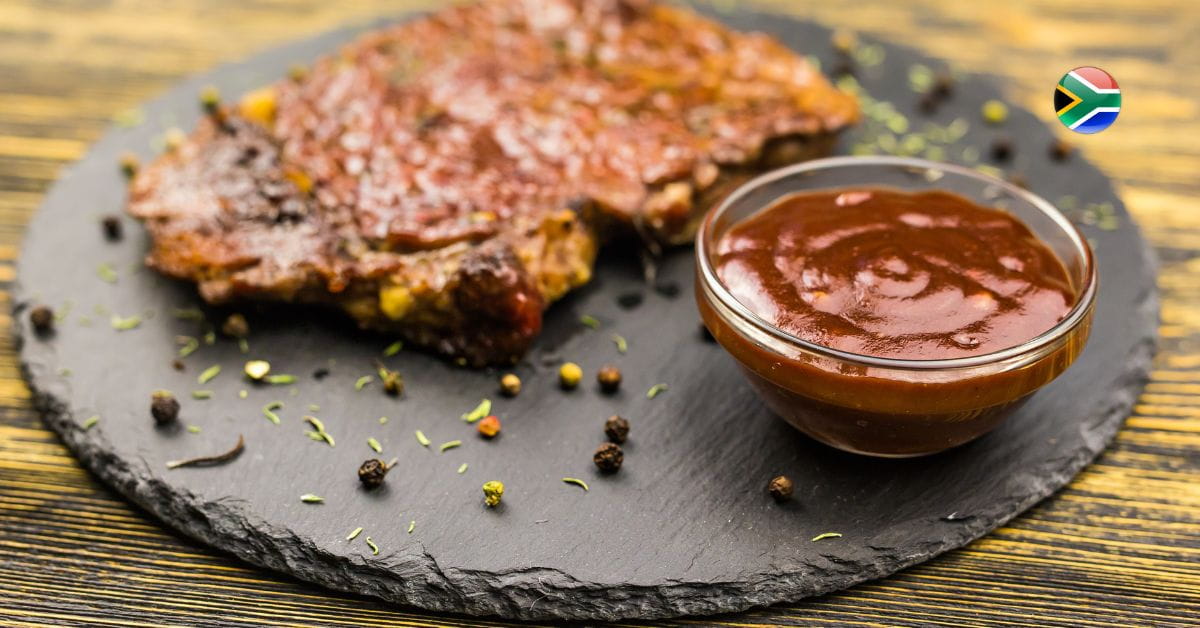
There are few things that tug at the heartstrings of a South African expat—or anyone who has visited the Rainbow Nation—quite like the smell of a wood fire burning down to coals. It’s the scent of long summer evenings, the sound of ice clinking in glasses, and the promise of a feast. At the center of this ritual sits the holy grail of outdoor cooking: the perfect steak on the braai.
While a simple salt-and-pepper seasoning has its place, today we are diving into a true icon of South African cuisine. We are talking about the sweet, tangy, and utterly addictive magic of a monkey gland steak. Don’t let the name scare you off; no monkeys are involved in the making of this legendary condiment. Instead, it is a sauce born from classic bistro culture, combining savoury depth with a fruity kick that transforms ordinary braai meat into a masterpiece.
If you are ready to elevate your next beef braai, let’s walk through how to make the ultimate South African steak marinated in homemade monkeygland sauce.
What exactly is Monkey Gland sauce?
If you didn’t grow up in South Africa, the term “monkey gland” likely sounds bizarre. The sauce traces its origins back to the 1930s at the Savoy Hotel in London or perhaps the Carlton Hotel in Johannesburg, depending on who you ask. It was named jokingly after the scientific fad of the time regarding longevity, but the ingredients are purely culinary.
A traditional South African monkey gland sauce is a thick, glossy blend of fruit chutney (usually Mrs. Ball’s), tomato sauce, Worcestershire sauce, garlic, and onions. It is the perfect balance of umami, sweetness, and acidity. When used as a marinade or a basting sauce for a monkey gland steak recipe, it caramelizes beautifully over open flames, creating a sticky, smoky crust that is impossible to resist.
The secret to the perfect Braai Steak
Cooking steak on the braai is an art form. It’s not just about slapping meat onto a grill; it’s about heat management and timing. For this recipe, we want a high heat to sear the meat quickly, locking in juices while the sugars in the monkeygland sauce turn into a dark, delicious glaze.
Choosing the right cut is crucial. Rump, sirloin, or ribeye are excellent choices for a beef braai. You want a cut with a bit of fat on it, as the fat renders down and mixes with the sauce to enhance the flavor profile.
Ingredients you will need
To create this nostalgic dish, you need to gather your monkey gland sauce ingredients first. This sauce improves with time, so feel free to make it a day in advance.
For the Monkey Gland sauce:
- 1 large onion, finely chopped
- 2 cloves of garlic, minced
- 1 cup (250ml) tomato sauce (ketchup)
- 1/2 cup (125ml) chutney (apricot or peach is best)
- 1/4 cup (60ml) Worcestershire sauce
- 2 tablespoons red wine vinegar
- 1 tablespoon sugar (brown sugar adds a nice molasses note)
- 1 teaspoon Tabasco sauce (optional, for a kick)
- Oil for frying
For the Steak:
- 4 large steaks (Rump or Sirloin works well for monkey gland steak)
- Salt and black pepper
- Olive oil
Step-by-Step Monkey Gland steak recipe
1. Prepare the sauce
Start by heating a little oil in a saucepan over medium heat. Sauté the onions until they are soft and translucent, then add the garlic and cook for another minute. Be careful not to burn the garlic, as it turns bitter quickly.
Add all the remaining monkey gland sauce ingredients—the tomato sauce, chutney, Worcestershire sauce, vinegar, and sugar. Stir well to combine. Reduce the heat to low and let it simmer for about 10 to 15 minutes. The sauce should thicken and darken slightly. Taste it! It should be tangy and sweet. If it’s too tart, add a pinch more sugar.
2. Marinate the meat
Once the sauce has cooled, you have two options. You can use it strictly as a basting sauce while cooking, or you can marinate the meat beforehand. For the deepest flavor, coat your steaks in half of the sauce and let them sit in the fridge for at least 3 hours. This allows the vinegar and chutney enzymes to tenderize the braai steak. Reserve the other half of the sauce for serving.
3. The Braai
Get your fire ready. You want coals that are hot but not flaming aggressively. If you can hold your hand over the grid for about 5 seconds before pulling it away, you are ready to cook.
Remove the steaks from the marinade and shake off the excess sauce (too much wet sauce initially can prevent searing). Place the steak on the braai grid. Sear for about 3-4 minutes per side for medium-rare, depending on thickness.
4. Baste and glaze
During the last minute of cooking, brush the steaks generously with the marinade you used for the meat. Let it bubble and caramelize over the coals for just a moment—watch closely so the sugar in the chutney doesn’t burn.
Serving your South African steak feast
Remove your monkey gland steak from the heat and let it rest for at least 5 to 10 minutes. This step is non-negotiable; cutting it too soon will let all those precious juices escape.
Serve your steaks hot, smothered in the remaining warm fresh monkey gland sauce. It pairs perfectly with traditional sides like “pap and sheba” (maize meal porridge with tomato onion gravy), a creamy potato salad, or a simple garlic bread toasted on the fire.
The ultimate South African showstopper: Monkeygland steak
Whether you are cooking for old friends in Cape Town or introducing new neighbors to the joys of South African cuisine abroad, this recipe is a winner. The monkey gland flavor profile is unique yet universally appealing, bridging the gap between a classic BBQ sauce and a savory gravy.
So, next time you light the fire, skip the store-bought marinades. Mix up a batch of this sauce, pour a cold drink, and enjoy the process. After all, a beef braai isn’t just about eating; it’s about the memories you make around the fire.
FinGlobal: tax emigration specialists for South African expats
Just like a good monkeygland steak needs the right timing, heat, and balance on the braai to come out perfectly, managing your cross-border finances requires the same attention to detail — and that’s where our team steps in to guide you every step of the way.
We can assist you with tax emigration, expat tax compliance, South African retirement annuity withdrawal, non-resident confirmation letters and more. No matter how complicated your tax situation is, FinGlobal can help you get on the right side of SARS.
To get started with your free, 100% confidential, no-obligation SARS assessment, leave your contact details below and we’ll be in touch soon