


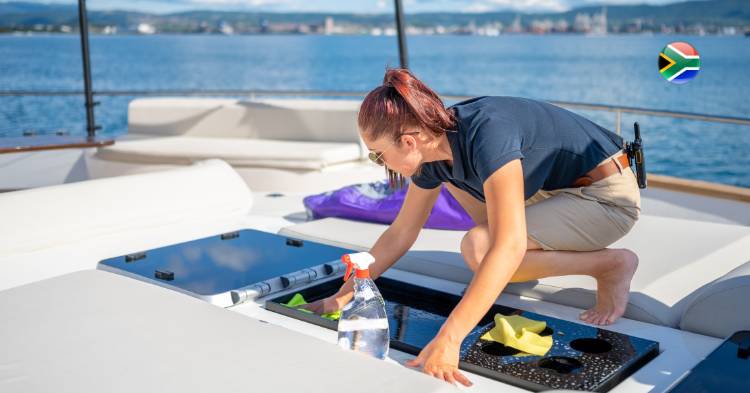
Working on a superyacht can be an incredible opportunity. You get to travel the world, earn a competitive salary and often receive generous tips from charter guests. But while your income may be earned offshore, that doesn’t automatically mean it’s outside the reach of the South African Revenue Service (SARS).
One of the biggest misconceptions among South African yacht crew is that tips don’t count as taxable income because they’re paid in cash or received directly from guests. In reality, if you’re still considered a South African tax resident, both your pay and your gratuities may need to be declared to SARS.
Understanding your tax obligations is the only way to avoid penalties, interest and unnecessary stress later on.
Top three takeaways for South African yachties on tax
- Your tips are taxable too. Gratuities received while working on a yacht form part of your taxable worldwide income and generally need to be declared to SARS.
- Your tax residency matters more than where you work. Whether you’re sailing the Mediterranean, Caribbean or Pacific, your South African tax obligations depend on your tax residency status, not simply where your income is earned.
- Keeping accurate records can save you headaches. Maintaining records of your salary, tips and employment dates makes tax filing far easier and helps support your position if SARS requests additional information.
Read more: Why some South Africans working abroad still owe tax to SARS.
Do South African yachties have to pay tax?
The short answer is: it depends. South Africa taxes individuals based on their tax residency, not their citizenship. This means that if you’re still regarded as a South African tax resident, you’re generally taxed on your worldwide income.
That includes:
- Your yacht salary
- Performance bonuses
- Charter gratuities and tips
- Any other foreign employment income
Many South African yachties assume that spending months at sea or working for a foreign employer automatically makes them exempt from South African tax. Unfortunately, that’s not how the rules work. Whether you’re a tax resident depends on factors such as where your permanent home is, where your personal and financial ties remain and how long you spend inside and outside South Africa.
Read more: Why South African expats must stay sharp on SARS tax residency rules.
Why tips count as taxable income when working on a yacht
One of the most common questions yacht crew ask is whether gratuities need to be declared.
The answer is generally yes.
Tips are considered a form of remuneration because they’re received in connection with your employment. Whether they’re distributed by the captain, pooled among crew members or handed directly to you by guests, they still form part of your taxable income.
This is no different from other industries where employees receive gratuities. The fact that the payment may be made in cash or in a foreign currency doesn’t change its tax treatment. In other words, if you’re required to declare your foreign employment income to SARS, your tips should form part of that declaration too.
Tax residency determines what you owe to SARS
For yacht crew, understanding your South African tax residency is often more important than understanding where your yacht is registered or where it sails. If you’re still a South African tax resident, SARS may tax your worldwide income, including earnings received overseas.
If you’ve ceased your South African tax residency, you’re generally only taxed on income sourced within South Africa, subject to certain rules. Many South Africans working abroad mistakenly believe that simply living overseas or holding a foreign work contract changes their tax residency automatically. It doesn’t.
Unless you have formally notified SARS that you have ceased tax residency, through the process of tax emigration, SARS is entitled to continue treating you as a tax resident, no matter where in the world you sail.
Read more: Reality check: Leaving South Africa doesn’t always mean leaving SARS behind.
Can yacht crew qualify for the foreign employment income exemption?
Some South African yacht crew may qualify for the foreign employment income exemption, but it is not automatic. The exemption applies to qualifying employment income, meaning the nature of your employment relationship and whether you have a valid employment contract are important factors.
To qualify, you generally need to meet specific requirements, including working outside South Africa for the required number of days during the relevant period. Your employment arrangement, where your duties are performed and the type of income you earn all play a role in determining whether the exemption applies.
For South African yacht crew, this can be more complex due to unique work schedules, international travel and different contractual arrangements. It’s important to review your individual circumstances rather than assume that working offshore automatically makes your income exempt from South African tax.
Read more: Seafarers tax relief in South Africa: avoiding common offshore compliance mistakes.
Don’t forget about exchange rates when working on a yacht
Another area that catches many South African yachties off guard is currency conversion. If you’re paid in US dollars, euros or another foreign currency, you’ll generally need to convert those amounts into South African rand when completing your tax return. This includes both your salary and any gratuities you’ve received.
Keeping records of payment dates, exchange rates and supporting documentation throughout the year can make tax season significantly easier.
What happens if you don’t declare your tips?
Some South African yacht crews believe that because tips are often paid informally, SARS has no way of knowing about them. That’s a risky assumption. South Africa participates in international information-sharing agreements, and SARS continues to strengthen its ability to verify offshore financial information.
Deliberately omitting taxable income can result in additional tax, penalties and interest. Being proactive and declaring your income correctly is almost always the less stressful and less costly approach.
Good record keeping is your best friend working at sea
Whether you’re working your first Mediterranean season or have spent years in the yachting industry, it’s worth developing good record-keeping habits.
You’ll want to keep copies of:
- Employment contracts
- Payslips
- Tip distribution records
- Bank statements
- Exchange rate calculations
- Travel dates and crew rotations
Having these documents readily available can make filing your tax return much simpler and provide valuable evidence if SARS requests supporting information.
FinGlobal: helping you stay compliant while you enjoy life at sea
A career on the water brings adventure, but it also comes with tax responsibilities. Knowing your South African tax residency status, declaring your income correctly and keeping proper records can help you avoid costly surprises.
FinGlobal helps South Africans working abroad to handle their cross-border tax matters, from tax emigration and SARS expat tax compliance to international money transfers and retirement annuity withdrawals.
Get expert tax guidance for South Africans working abroad and stay focused on your next voyage. Leave your contact details below and one of our specialists will be in touch.
Send us a message
Leave your details below including a short message and a financial consultant will contact you.
Licensed South African Financial Services Provider FSP # 42872
You have Successfully Subscribed!
FinGlobal Newsletter Subscription
Subscribe to the FinGlobal newsletter to receive all the latest news and information regarding our services and South African Expats.